




Joint cover
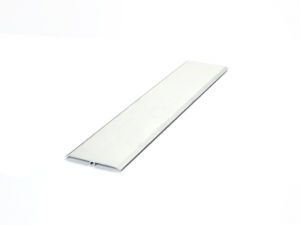
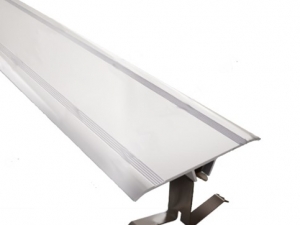
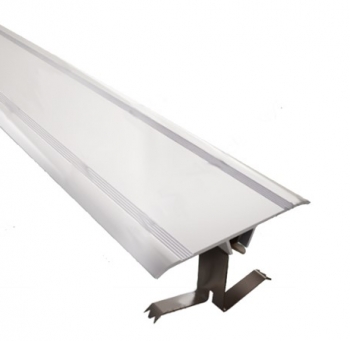
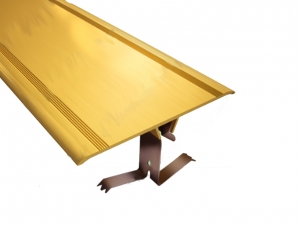
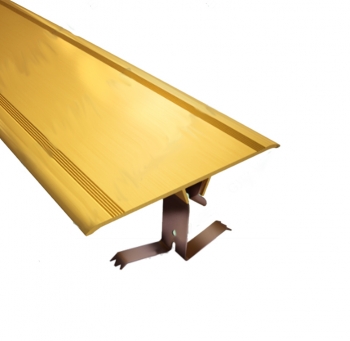
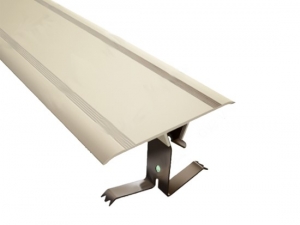
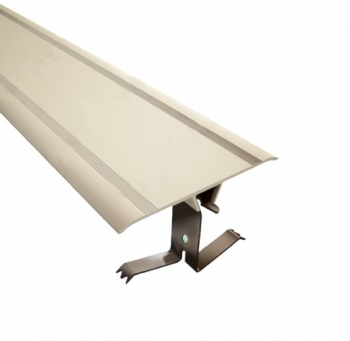
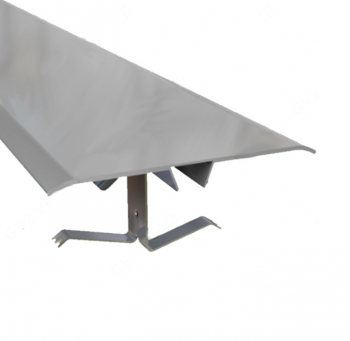
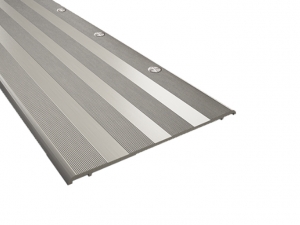
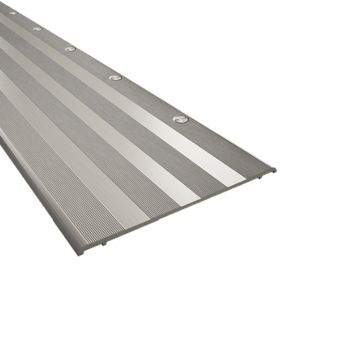
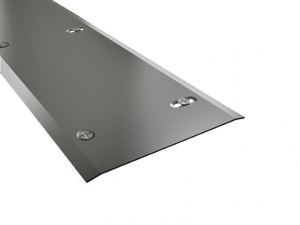
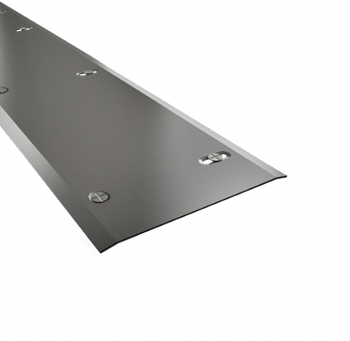
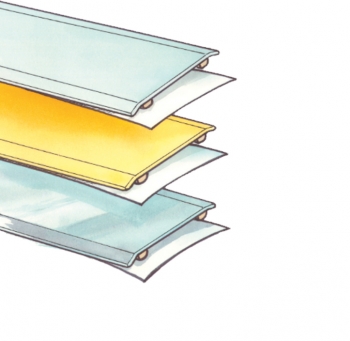
Expansion joints, also known as movement joints or structural joints, are intervals of structural continuity that, in short, are a separation between structures, cladding, masonry, etc., thus preventing the discontinuity of stresses between two elements.
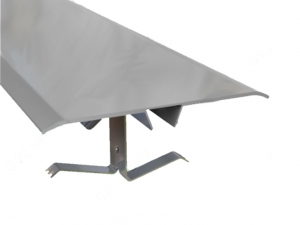
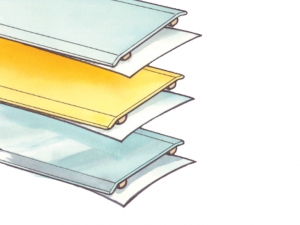
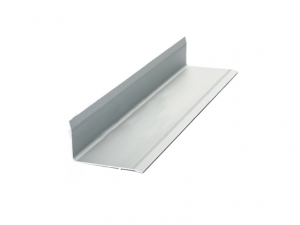
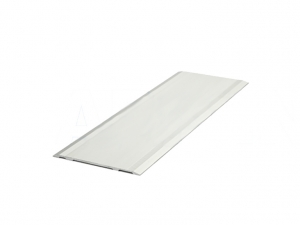
One simple way to cover an expansion joint is by applying a joint cover or cover strip.
Joint covers protect the expansion joint but allow the expected movement of the joint, thus maintaining the break in the connection between the building sections, isolating the various stresses between them.
Joint covers can be made of various materials such as stainless steel, aluminum, galvanized steel, PVC, and also have a wide variety of finishes and colors, thus contributing to their integration into the decoration and finishing of buildings.
Regarding their fixing, the concern should always be to avoid locking the expansion joint and to allow its movement, regardless of the type of fixing (screws, glue, or clips).
Additionally, to ensure waterproofing of the structural joint, a flexible sealant can be used, which is applied to close the joint opening and prevent moisture from entering the joint due to the movement of accommodation between the wall sections. All these factors must be taken into account when carrying out a survey of the building envelope.
The materials adjacent to the edges of the expansion joints are affected by temperature differences, moisture infiltration, and stress, which causes movement between the two sections. Temperature movement is the thermal expansion and contraction of building materials and is very common in areas that experience seasonal climate changes. A long masonry wall will expand or contract in height and length when heated or cooled by ambient temperature. Individual masonry units elongate when heated and deform when cooled. Changes in the height and length of the wall will create internal stresses in the various elements and consequently in the expansion joints that accommodate them.


