




Lightning protection grounding conductors
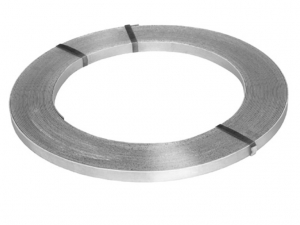
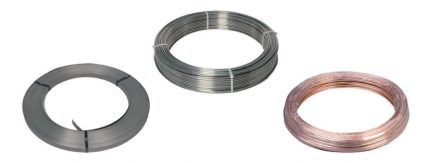
The function of a lightning protection system is to protect structures from fire or mechanical destruction and to prevent people inside buildings from being injured or even killed.
A complete lightning protection system consists of external lightning protection (lightning protection/grounding) and internal lightning protection (surge protection).
Functions of an external lightning protection system
- Interception of direct lightning strikes through an air-termination system.
- Safe discharge of lightning current to the ground through a down-conductor system.
- Distribution of lightning current into the soil through an earth-termination system.
Functions of an internal lightning protection system
- Prevention of dangerous sparking within the structure by establishing equipotential bonding or maintaining separation distances between the LPS components and other electrically conductive elements.
- Lightning equipotential bonding.
- Lightning equipotential bonding reduces potential differences caused by lightning currents. This is achieved by interconnecting all isolated conductive parts of the installation using conductors or surge protection devices.
Large concrete structures such as buildings, civil engineering works, and industrial installations normally include reinforced concrete foundations. The reinforcement bars in reinforced concrete foundations and foundation slabs, as well as external walls below ground level, provide an excellent earth electrode. This method provides effective grounding at a low cost.
The installation of an additional equipotential mesh network connected to the reinforcement bars, as well as to the external down conductors or structural elements used as such, is recommended in order to ensure reliable connections.
CORTARTEC
offers a wide range of clamps and grounding connections for concrete foundations. Grounding points provide an access point to the network present within the foundation as it exits the concrete. Our clamps and clips, available in different materials such as galvanized steel, copper, and stainless steel, are simple, robust, and quick-to-install conductor connection solutions.
Our product range complies with the IEC EN 62561-1 standard: Lightning Protection System Components (LPSC) – Part 1: Requirements for connection components.
Elements of a lightning protection system according to the EN/IEC 62305 standard: a lightning protection system consists of the following elements:
- Air-termination system
- Down conductor
- Earth-termination system
- Separation distances
- Lightning equipotential bonding
The LPS classes I, II, III, and IV are defined as a set of construction rules based on the corresponding Lightning Protection Level (LPL). Each set includes both level-dependent construction rules (for example, rolling sphere radius and mesh size) and level-independent rules (for example, cross-sectional areas and materials).
To ensure the continuous availability of complex data and information technology systems, even in the event of a direct lightning strike, additional measures are required to protect electronic devices and systems against surges.
Lightning is an electrical discharge between the atmosphere and the earth that carries tens of thousands of amperes of current. The electrical potential can reach millions of volts, so lightning will pass through anything it strikes, including concrete structures, following the path of least resistance to the ground. When concrete is struck, electrical resistivity generates intense and instantaneous heat that can vaporize the moisture present in the concrete, creating forces capable of fragmenting or cracking it. In addition, the heat generated can melt siliceous minerals, creating weaknesses within the concrete.
Lightning can cause fires or explosions that may devastate a structure. Discharges can also cause pieces of concrete to break away, fall, or become airborne projectiles capable of injuring people and damaging lower parts of a structure.
Long-term effects may include the worsening of weaknesses in previously damaged structures, including accelerated corrosion. Non-structural consequences of lightning may include damage to building contents, damage to circuits in building equipment and systems, and even electrocution of building occupants.
A 2008 compilation by the National Lightning Safety Institute included estimates of annual damage caused by lightning.
In the United States alone, the data supports an estimated USD 5 to 6 billion in damages annually.


